Experience MedEx Seamless Care Delivery — 10% OFF on Your First Appointment - Use 'TRYMEDEX' Coupon Code on Checkout

location
0 - ฿0.00

No products in the cart.

location
0 - ฿0.00

No products in the cart.

0 - ฿0.00

No products in the cart.

[linguise]

Book your comprehensive genetic test today

Unlock the power of YOUR DNA

Discover how your genes influence your health—and take control. MedEx’s advanced genetic testing and analysis deliver precise, actionable insights to optimise your wellness today and for the future.

Personalised. Proactive. Powerful.

✅ Comprehensive testing, actionable insights and expert-led consultation
✅ Easy to understand illustrative reports with recommendations sent straight to your inbox
✅ Secure, private and confidential screening
✅ Clinician assisted specimen collection at network facilities or at an on-demand location 

Walk-ins welcome at MedEx, Sukhumvit 13, Bangkok

Open Daily 8am-10pm. 2 Minutes Walk from BTS Nana, BTS Asok and MRT Sukhumvit.

*Get your test at home or hotel for an extra 750 baht only, a clinician can be at your location within 1 to 3 hours.

How It Works

A Step-by-Step Guide to Understanding the Process

  • Book Your Test Submit the Booking Form on this page or contact us for reservation. You can walk-in to MedEx Neo Clinic or get the kits delivered. Clinician assisted specimen collection service is available.
  • 1. Book Your Test Convenient Scheduling — Submit the Booking Form on this page or contact admins for reservation. You can walk-in to MedEx Neo Clinic, Sukhumvit 13, Bangkok or get the kits delivered. Clician assisted specimen collection service is available.
  • Specimen Collection Most DNA Tests require Swab Specimen. MedEx can deliver the self-collection kits internationally. For DNA Tests requiring blood specimen visit us or utilise our at-home clinician assisted specimen collection service throughout Thailand.
  • 2. Collect Specimen Easy Sample Collection — Most of the DNA Tests require Swab Specimen. As such we can deliver the Self-collection Kits internationally. For the DNA Tests requiring blood specimen you can visit us or utilize our at-home clinician assisted specimen collection service throughout Thailand.
  • Kit Registration While some of the available tests are processed locally, many of the specimens are sent overseas for processing. To streamline the logistics and chain of custody, most of the tests require kit registration as well as documentation. A stringent chain of custody is maintained.
  • 3. Kit Registration and Chain of Custody While many of the available tests are processed locally, some of the specimens are sent overseas for processing. To streamline the logistics and chain of custody, most of the tests require kit registration as well as documentation.
  • Online Results Results in English are emailed. Reports are illustrative and easy to interpret. Some reports are made available via mobile apps. Geneticists are available for interpretation and lifestyle recommendations.
  • 4. Online Results and Geneticist Consult Results in English are emailed. Generally the reports are illustrative and easy to interpret. Some of the test reports are very large to be shared by email — such reports are made available via a secure mobile application. Geneticists and related specialists are available for interpretation.
FEATURED TEST PACKAGE

DNA STORY

PREMIUM 500+ DNA REPORTS PROGRAM

With DNA Methylation Tests of MTHFR, MTR, MTRR, COMT and BHMT Genes


Embark on a transformative journey of self-discovery with DNA Story Premium DNA 500+ Reports Package that also includes Methylation Tests of MTHFR, MTR, MTRR, COMT and BHMT Genes.

—>SAMPLE REPORT ABOVE<—

Unlock over 500 genetic insights, unraveling the mysteries of your health and innate talents. Tailored for all ages, the package empowers you to make informed decisions for a healthier and more fulfilling life. Embrace the power of your DNA with our cutting-edge analysis and embark on a path to optimized well-being and self-awareness. Your DNA Story awaits.

PACKAGE INCLUDES:


1. Methylation Test

Methylation is a fundamental biochemical process that involves the addition of methyl groups to various molecules, including DNA, proteins, and neurotransmitters. Methylation plays a vital role in gene expression, detoxification, energy production, and neurotransmitter balance. A Methylation Test assesses genetic variations that can impact an individual’s methylation capacity. Key components covered by a Methylation Test may include:

  • MTHFR Gene: The methylenetetrahydrofolate reductase (MTHFR) gene is a key player in folate metabolism and methylation. Variations in this gene can affect how the body processes and utilizes folate.
  • MTR and MTRR Genes: These genes are involved in the conversion of homocysteine to methionine, a process crucial for methylation. Variations may impact this conversion and influence overall methylation status.
  • COMT Gene: The catechol-O-methyltransferase (COMT) gene regulates the breakdown of catecholamines, including dopamine, norepinephrine, and epinephrine. Genetic variations in COMT can influence neurotransmitter balance.
  • BHMT Gene: The betaine-homocysteine methyltransferase (BHMT) gene is involved in an alternative pathway for homocysteine metabolism.

2. Health and Nutrition: Vitamin B6, Vitamin B9 – Folate, Vitamin B12, Vitamin C, Vitamin A, Vitamin D, Omega-3 fatty acids, Copper, Phosphorus, Caffeine sensitivity, Alcohol sensitivity, Calcium, Magnesium, Zinc, Nutrition, Lactose intolerance, Celiac predisposition, Response to saturated fat, Satiety – obesity gene, Liver detoxification, Spice sensitivity, Sweet tooth, Cellular detoxification, Salt sensitivity.

3. Allergy and Sensitivity: Cockroach allergy, Dust mite allergy, Pet allergy, Atopic dermatitis, Spice sensitivity.

4. Talent and Abilities: Reading and spelling ability, Language, Musical Ability, Pollen allergy, Intelligence, Mathematical ability, Working memory, Memory ability, Multi-tasking skills, Power sports, Task attention, Creativity, Endurance sports.

5. DNA Character: Adventurer, Adjuster, Analyst.

6. Fitness and Sports Performance: VO2 Max – Aerobic potential, Injury risk, Power/Endurance potential, Free radicals during exercise, Post-exercise recovery, Insulin sensitivity response to exercise, HDL response to exercise, Glucose response to exercise.

7. Healthy Weight: Low-carb diet, Low-calorie diet, Low-fat diet, Cardio exercise, Strength training.

8. COVID-19 Infection and Severe Symptoms Risk: ABO gene, OAS gene, DDP9 gene.

9. Behavioral Traits: Addictive Behavior, CCHCR1 gene.

10. Personality Traits: Intrinsic Motivation to Exercise, Misophonia, Stress management.

11. Skin and Beauty: Age Spots, Skin Glycation Risk, Morning Person, Freckles, Acne Risk, Stretch Marks, Wrinkles, Keloid Formation, Sun Sensitivity, Cellulite Protection.

12. Sleep and Environmental Sensitivity: Sleep duration, Deep sleep, Sleep movement, Air pollution, Pollution Sensitivity, Secondhand smoke, Traffic-related pollution.

13. Neurological and Mental Health: Alzheimer’s disease, Age-related macular degeneration, Health Risk, Parkinson’s disease, Hereditary thrombophilia, Hereditary hemochromatosis, Elevated Triglycerides, Type 2 Diabetes, Androgenetic alopecia, Body odor, Elevated LDL Cholesterol, Decreased HDL Cholesterol, Hypertension.

14. Physical Traits: Bitter taste sensitivity, Earwax type, Hair thickness, Pain sensitivity, Motion sickness, Age-related hearing loss.

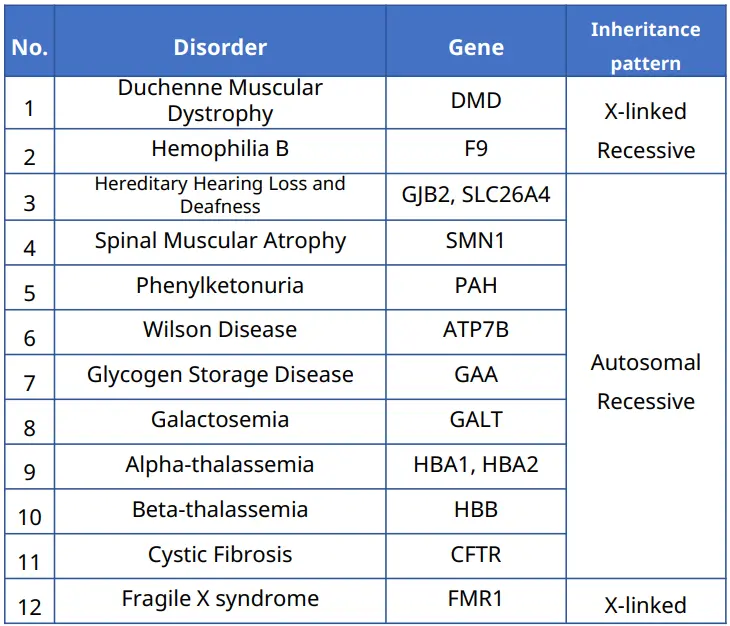
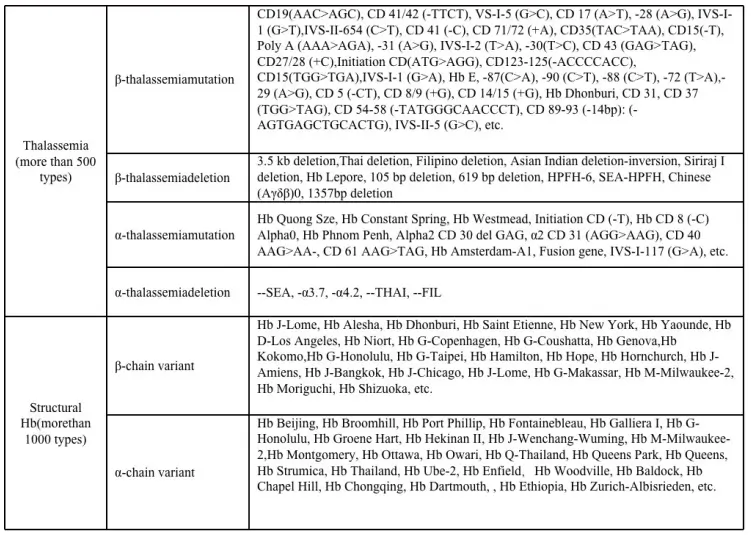
15. Carrier Status: Achondrogenesis, Acute fatty liver, Alpha-Mannosidosis, Agenesis of the Corpus Callosum with Peripheral Neuropathy, Achromatopsia, Alkaptonuria, ARSACS, Autosomal Recessive Polycystic Kidney Disease, Andermann syndrome, Bloom syndrome, Bardet-Biedl Syndrome, Beta-sacroglycanopathy (Limb-girdle muscular dystrophy), Carnitine Palmitoyltransferase deficiency, Citrullinemia type I, Cohen syndrome, Congenital Adrenal Hyperplasia, Cystic fibrosis, Deafness, Dihydrolipoamide Dehydrogenase deficiency, Duchenne Muscular Dystrophy, Familial Dysautonomia, Beta Thalassemia & related hemoglobinopathies, Biotinidase deficiency, Galactosylceramide beta-galactosidase deficiency, Caravan Disease, Choroideremia, Citrullinemia type II, Combined Pituitary Hormone Deficiency, Congenital Disorder of Glycosylation, D-Bifunctional Protein Deficiency, Diastrophic Dysplasia, Dilated Cardiomyopathy, Factor XI Deficiency, Familial Mediterranean fever, Fanconi Anemia, Gaucher Disease, Glutaric acidemia, Glycogen storage disease type 1a, Glycogen storage disease type V, Hereditary Fructose Intolerance, Hexosaminidase A Deficiency (Including Tay Sachs Disease), Homocysteinemia, Inclusion Body Myopathy, Joubert Syndrome, Leigh Syndrome, French Canadian Type, Limb-Girdle Muscular Dystrophy Type 2E, Medium Chain Acyl-CoA Dehydrogenase Deficiency (MCAD), Maple Syrup Urine Disease Type 1A, Mucolipidosis, Methylmalonic Acidemia, Muscular dystrophy-dystroglycanopathy, Neuronal Ceroid Lipofuscinosis, Northern Epilepsy, Pendred Syndrome, Pompe Disease, Pseudocholinesterase Deficiency, Primary Hyperoxaluria type III, Rhizomelic Chondrodysplasia Punctata Type 1, Sickle Cell Anemia, Familial Hyperinsulinism, G6PD, GRACILE syndrome, Glycogen storage disease type 1b, Hemophilia B, Herlitz Junctional Epidermolysis Bullosa, Homocystinuria, Hyperinsulinism, Isovaleric Acidemia, Krabbe Disease, Limb-Girdle Muscular Dystrophy Type 2D, Limb-Girdle Muscular Dystrophy Type 2I, Maple Syrup Urine Disease Type 1B, Maple Syrup Urine Disease Type III, Metachromatic Leukodystrophy, Mucopolysaccharidosis, Nemaline Myopathy, Niemann-Pick Disease, Oculocutaneous Albinism, Polyglandular Autoimmune Syndrome, Primary Carnitine Deficiency, Primary Hyperoxaluria type II, Pycnodysostosis, Salla Disease, Sjogren-Larsson Syndrome, Tyrosinemia Type I, Usher Syndrome type 1F, Usher Syndrome type 3A, Zellweger Syndrome Spectrum.

16. Ancestry: For this report, the program will analyze genes to identify DNA similarities based on populations of each race collected from around the world.

17. DNA Fun Facts: Asparagus Odor Detection, Romantic relationship status.

18. Cancer Risk: Breast Cancer, Colorectal Cancer, Pancreatic Cancer, Prostate Cancer, Gastric Cancer, Ovarian Cancer, Lung Cancer, Skin Cancer, Urinary Bladder Cancer, Cervical Cancer, Melanoma Cancer.

19. Premium Health Risk: Osteoarthritis, Osteoporosis, Periodontitis, Telomere length, Lipoprotein a or Lp(a), Glaucoma, Gallstones, Varicose veins, Migraine, Systemic Lupus Erythematosus (SLE), Anxiety, Asthma.

20. Drug Response: Cardiovascular drugs, Anti-inflammatory drugs, Antibacterial drugs, Antifungal drugs, Antiviral drugs, Skeletal Muscle Relaxants, Antidepressant drugs, Sedative drugs, Gastrointestinal drugs, Antipsychotic drugs, Immunological drugs, Anticonvulsant drugs, Antineoplastic drugs, Antiemetics drugs, and Antigout drugs.

21. Heart Diseases: This test analyzes genes related to various types of genetically inherited heart diseases within the family, such as severe heart muscle disease, severe heart arrhythmias, and severe hyperlipidemia.

22. Brain Disorders: This test analyzes genes related to brain and nervous system diseases that are inherited genetically.

23. Cardiovascular Disease Risk: This test analyzes genes involved in various inherited cardiovascular diseases: Stroke, Coronary artery disease, Atherosclerosis.

24. Genetic Height: This report will analyze genes related to growth and hormone production, which constitute factors influencing an individual’s height. The results of your genetic analysis will be utilized to estimate your height based on the average height for your race.

25. Detoxification DNA Test: Detoxification DNA Test analyzes specific genetic markers associated with the body’s detoxification processes. The human body has sophisticated mechanisms to eliminate toxins and harmful substances, and these processes are influenced by various genes. The Detoxification DNA Test provides insights into how efficiently an individual’s body processes and removes toxins, pollutants, and other environmental stressors.

 

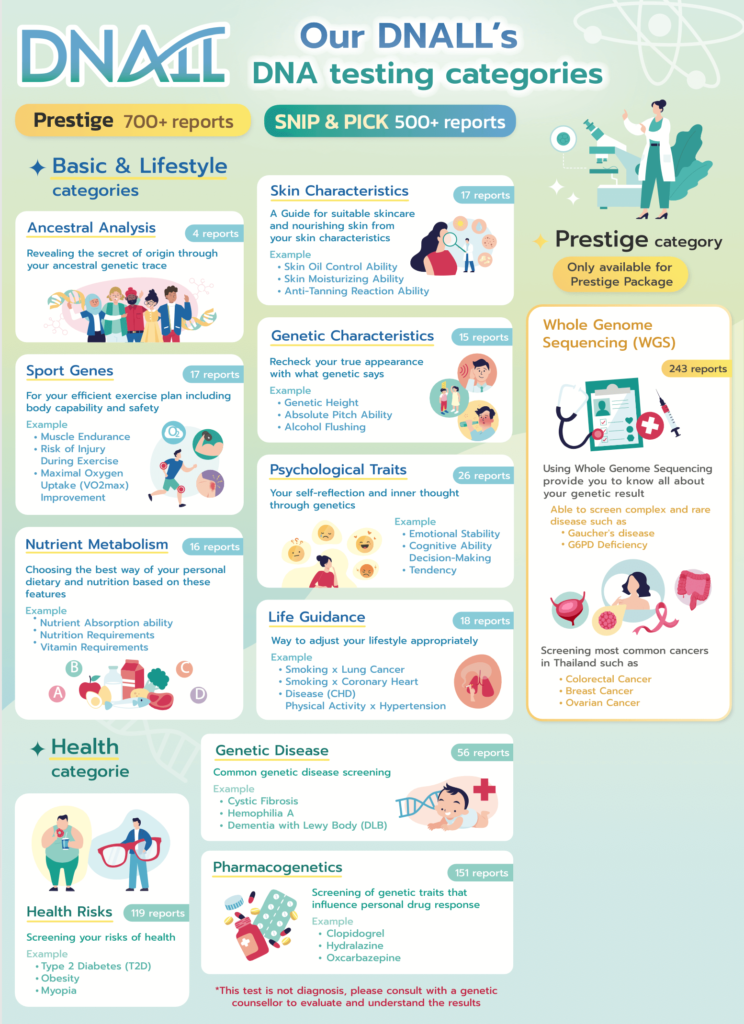
Examining the genetic code to analyze individual characteristics lifestyle, design balancing food and nutrition including the exercise that is most appropriate for you. It can also predict the risk of diseases that will be caused by genetic factors to be used as information to reduce the risk of disease in the future.

DNAll WGS and Microarray Packages1


Non-Invasive Prenatal Paternity Test (NIPPT)

Confirm the paternity of your unborn baby with a 99.9% accurate test that requires only blood samples from the mother and alleged father


NIFTY Non-Invasive Prenatal Testing

Non-Invasive Prenatal Testing for detecting fetal chromosomal aneuploidies from maternal blood, such as Down syndrome, Edward syndrome, and Patau syndrome


VISTA Carrier Screening

Carrier screening for Monogenic disease

vist


NOVA Newborn Genetic Testing

Newborn genetic screening for 112 genetic diseases.

NOVA gen


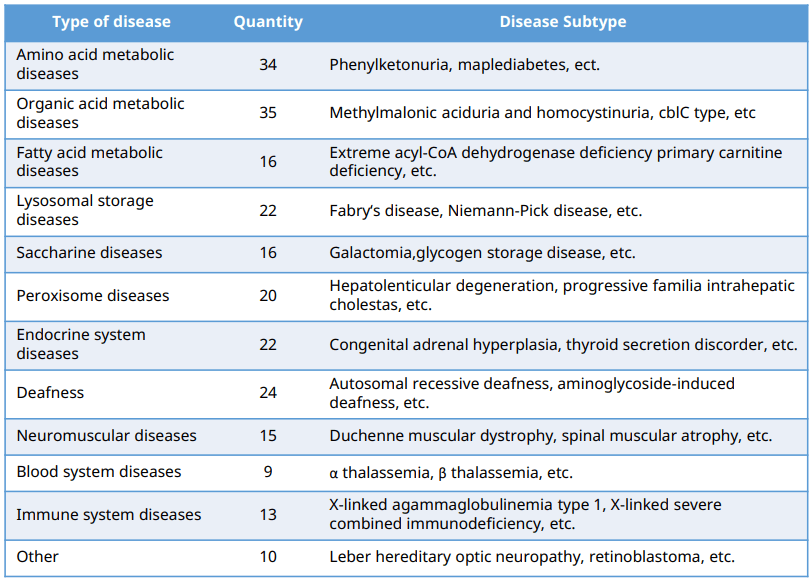
NOVA Newborn Metabolic Screening

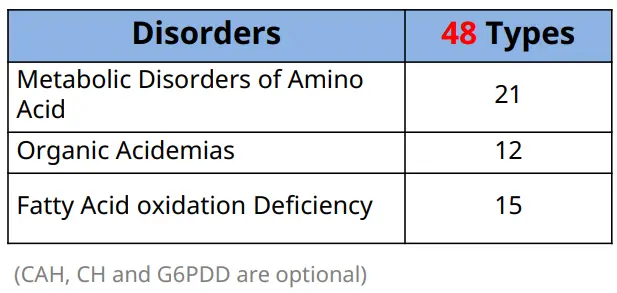
Newborn 48 metabolic disorders screening

Nova newborn


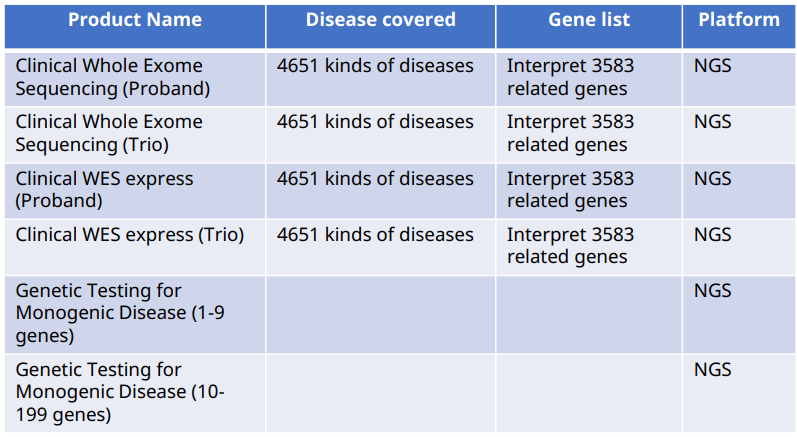
Clinical whole exome sequencing for detection and diagnosis of rare diseases

BGI Xome

COLOTECT is a non-invasive colorectal cancer (CRC) screening test offered by Bangkok Genomics Innovation. It detects abnormal DNA methylation in stool samples, specifically targeting genes associated with CRC. The test boasts a sensitivity of 89.47% and a specificity of 93.55% for detecting colorectal cancer, and a 42% sensitivity for identifying advanced adenomas, which are precancerous lesions. ​

Designed for individuals aged 45 and above, as well as health-conscious individuals seeking CRC screening, COLOTECT offers a user-friendly approach. Users can collect stool samples at home without the need for dietary restrictions or special preparations, making the process convenient and private. The samples are then sent to a laboratory for analysis, with results typically available within seven working days. ​

By identifying DNA methylation changes, COLOTECT can detect colorectal cancer even in its early stages, before symptoms appear. This early detection is crucial for effective treatment and improved survival rates. The test's non-invasive nature and high accuracy make it a valuable tool for colorectal cancer screening. ​


SENTIS Hereditary Cancer Screening

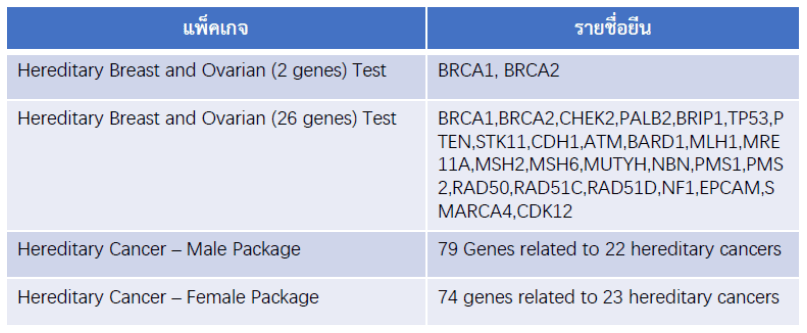
Detection of gene mutations that result in a higher-than-normal chance of developing cancer which can help predict the risk of cancer.

Sentis hereditary


Do you experience symptoms of gut microbiome imbalance?

Signs may include:

  • Bloating, diarrhea, or constipation
  • Persistent inflammatory acne
  • Recurring allergic rashes
  • Difficulty with weight loss

Did you know that the gut houses over 5,000 types of microorganisms? Our Gut Microbiome Screening examines more than 100 different microorganisms in your body.

This screening uses stool samples to evaluate gut bacteria, providing key insights into:

  • Levels and diversity of over 100 gut microbiota species
  • Their potential links to various health conditions, including:
  • Obesity
  • Chronic irritable bowel syndrome
  • Diabetes
  • High cholesterol
  • Cardiovascular issues related to meat consumption
  • Colon polyps
  • Depression
  • Rheumatoid arthritis
  • Age-related macular degeneration

Importance of Gut Microbiome Screening

A balanced gut microbiome supports a protective mucus layer that guards against harmful bacteria and inflammation. An imbalance may elevate the risk of diseases such as inflammatory bowel disease (IBD) and irritable bowel syndrome (IBS), and increase susceptibility to conditions triggered by pathogenic bacteria.

How the Test is Conducted

The test involves Next Generation Sequencing (NGS) and uses a swab similar to an ATK test. It can be completed at home or in the hospital. If done at home, a hospital staff member will collect the swab and send it to Korea for analysis. The process is quick and straightforward.

Benefits of the Screening

  • Identify the types, abundance, and roles of gut microbiota
  • Assess the variation among different microbiota species
  • Receive customized recommendations for enhancing gut health, including dietary and lifestyle changes

Next Steps After Results

A doctor will interpret your results, assess your risk for conditions related to gut microbiota, such as IBS, obesity, diabetes, migraines, anxiety, and depression. They will offer advice on:

  • Diet modifications to boost healthy microorganisms, including increased intake of probiotics and prebiotics
  • Lifestyle adjustments, such as improved sleep, regular exercise, and dietary changes

Recommendations for a Healthy Gut

  • Aim for 6–8 hours of sleep each night to support gut health
  • Engage in at least 30 minutes of exercise 3–5 times a week
  • Minimize processed meats, spicy, salty, and rich foods
  • Incorporate a diet rich in probiotics and prebiotics to maintain a healthy gut microbiome

Who Should Consider This Screening?

This screening is suitable for individuals with symptoms such as:

  • Digestive issues (bloating, nausea, diarrhea, constipation)
  • Migraines or sleep problems
  • Persistent acne and allergic rashes
  • Asthma or impaired metabolic function
  • Mental health concerns (anxiety, depression)
  • Bad breath, mucus in stools, or chronic fatigue
  • Prolonged use of antibiotics or antacids

Preparing for the Screening

  • No fasting is required before the test
  • Avoid antibiotics for 3 days prior to screening

CONTACT MEDEX TEAM

Book-Now

Doctors On Demand

Express In-Person and Online Doctor Consultations

Immediate medical care will be provided if your test results are positive. Enjoy stress-free doctor consultations at MedEx Neo Clinic with prices starting from just 750 THB.

You can also access a pool of over 3,000 top specialists at JCI (US)-accredited Thai hospitals in the MedEx Network via our tele-consultation services.

Additionally, we offer doorstep delivery of essential healthcare supplies.

Transform Your Health with Methylation Insights

Harness the power of methylation insights to transform your health. Our advanced testing technology identifies specific methylation markers in your DNA, providing actionable data that can guide your health and lifestyle choices. Empower yourself with the knowledge to optimize your health.

Have you ever wondered why does a liver cell act differently from a brain cell if they both contain the same DNA? The answer lies in epigenetics—a layer of instructions on top of your genetic code that controls gene activity. One of the most important epigenetic mechanisms is DNA methylation, a tiny chemical tag that can silence genes without changing the DNA sequence itself.

So what exactly is methylation, and how can it impact your well-being? Let’s break it down in simple terms.

What is DNA Methylation?

DNA methylation is a natural biochemical process that acts like a “switch” for your genes. Imagine your DNA as an instruction manual for your body. Methylation is like adding tiny “on/off” tags to certain parts of that manual, telling your cells which genes to activate or silence1.

When methylation works properly, your body functions smoothly. But when it’s disrupted, it can contribute to health issues.

Why Does DNA Methylation Matter?

1. Cell Identity & Development

  • Every cell in your body has the same DNA, but methylation patterns help determine whether a cell becomes a skin cell, a heart cell, or a neuron.
  • During embryonic development, methylation patterns are erased and rewritten to allow cells to specialise.

2. Disease & Aging

  • Abnormal methylation can lead to diseases like cancer (where tumor suppressor genes are silenced).
  • As we age, methylation patterns change, which may contribute to aging-related diseases.

3. Environmental Influence

  • Diet, stress, toxins, and lifestyle (like smoking) can alter methylation patterns, affecting health.
  • This is why identical twins, despite having the same DNA, can develop different diseases over time.

How does Methylation affect your body?

Methylation impacts nearly every system in your body. Here’s how:

1. Energy & Metabolism

  • Helps convert food into energy
  • Supports detoxification (removing harmful substances)

2. Brain & Mood

  • Influences neurotransmitter production (like serotonin and dopamine)
  • Affects mental clarity, stress response, and mood regulation

3. Immune System

  • Helps control inflammation
  • Supports immune cell function

4. Aging & Longevity

  • Methylation patterns change with age and can influence cellular aging.


When methylation is imbalanced, it may contribute to:

  • Fatigue
  • Mood disorders (anxiety, depression)
  • Hormonal imbalances
  • Chronic inflammation
  • Increased risk of certain diseases

Who can benefit from DNA Methylation Testing?

Methylation testing isn’t for everyone, but it can be incredibly helpful if you:

✔ Struggle with chronic fatigue or low energy
✔ Have a family history of heart disease, cancer, or neurological conditions
✔ Experience mood disorders (anxiety, depression)
✔ Have digestive issues or autoimmune conditions
✔ Want to optimise longevity and wellness

Testing can uncover whether your methylation pathways are functioning properly and guide personalised treatment plans.

How does DNA Methylation Testing work?

There are different types of tests2, but most involve a simple blood, saliva, or cheek swab sample. Here’s what they look for:

1. Global Methylation Testing

  • Measures overall methylation patterns in your DNA
  • Helps identify general imbalances

2. Gene-Specific Methylation Testing

  • Focuses on specific genes linked to health conditions
  • Can reveal risks for heart disease, cancer, or mental health issues3

3. Functional Methylation Panels

  • Evaluates nutrient levels (like Folate, B12) that support methylation
  • Checks for homocysteine levels (a marker linked to heart and brain health)
  • Once your results are in, our partnered providers can help you interpret them and recommend personalised lifestyle, diet, or supplement strategies to support optimal methylation.

Is Methylation Testing right for you?

DNA methylation is a powerful process that affects nearly every aspect of your health. If you’ve been dealing with unexplained fatigue, mood issues, or chronic conditions, methylation testing could provide valuable insights.

At MedEx, we’re proud to partner with leading providers to offer DNA methylation testing—a cutting-edge way to understand your genetic health.

Key sources

  1. Variants in the genome affect DNA methylation by deCODE Genetics ↩︎
  2. DNA Methylation Analysis: Choosing the Right Method ↩︎
  3. New findings showing how DNA methylation influences diseases (National Library of Medicine) ↩︎

FAQs

Frequently Asked Questions

Genetic testing is generally very accurate, but not always perfect.

  • The accuracy of a test can depend on the specific condition being tested for, the type of test used, and the laboratory performing the test.
  • Genetic testing can't always tell you if you'll develop a disease, how severe it will be, or how it will progress.

In a nutshell, genetic testing can be a valuable tool for understanding genetic risks, but it's crucial to interpret the results cautiously and understand the limitations of the tests, especially for complex conditions. Always consult your doctor for interpretation.

Genetic testing is generally considered safe, especially when involving blood or cheek swab samples, and pose very minimal physical risks. However, there can be emotional, social, and financial implications associated with genetic testing, that should be considered. Always address any concerns with your doctor.

Genetic disorders arise due to alterations in an individual's genetic material, encompassing their genes and chromosomes. Aneuploidy characterizes a condition where there are either surplus or deficient chromosomes. Trisomy denotes the presence of an extra chromosome, while monosomy signifies the absence of one chromosome. Inherited disorders, conversely, result from genetic changes termed mutations. These disorders comprise conditions like sickle cell disease, cystic fibrosis, Tay-Sachs disease, and numerous others. Typically, for an offspring to be affected by an inherited disorder, both parents must carry the same mutated gene.

Our list of availability is continuously evolving, please see our booking form, but please find below the main categories of tests available:

  • Hereditary Cancer and Carrier Screening for familial health risks
  • Pharmacogenetics for medication compatibility
    Ancestry Insights to uncover your genetic heritage
  • Whole Exome Sequencing for detailed genetic analysis
  • Gut Microbiome Genetic Testing for digestive health insights
  • NIPT/NIPS Screening for baby's gender and genetic abnormalities
  • Pre- and Postnatal Paternity Testing for parental verification
  • VISTA Pre-Pregnancy Genetic Testing for planning a healthy family
  • NIFTY Fetal Genetic Health Assessment for advanced prenatal care
  • Genetic Blueprint Testing to unlock your DNA's potential and identify predispositions
  • COLOTECT Colon Cancer Screening for early detection

Venture into Your DNA

Discover your Genetic Blueprint, Enhance Health, and Prepare for Parenthood

Genetic testing is a broad category of medical and scientific examinations that involve analyzing an individual's DNA. These tests can reveal information about an individual's genetic makeup, including their susceptibility to certain diseases, ancestry, and genetic traits. Genetic testing has applications in various fields, such as medicine, ancestry research, and personalized healthcare. It helps individuals and healthcare providers make informed decisions regarding health, family planning, and overall well-being.

This is a medical test that couples or individuals planning to have a baby can undergo before conception. It is designed to identify potential genetic disorders in the baby's DNA. The primary goal is to provide reliable and early information about the fetal genetic health without resorting to invasive procedures that might carry the risk of miscarriage. This test helps parents make informed decisions about their pregnancy and prepares them for any potential health challenges their child may face.

SENTIS Hereditary Cancer Screening is a specialized DNA test that focuses on detecting genetic mutations associated with hereditary or familial cancers. This test helps individuals understand their genetic predisposition to certain types of cancer. By analyzing an individual's genetic blueprint, SENTIS aims to provide early insights into the risk of developing hereditary cancers. Armed with this knowledge, individuals can take proactive measures for cancer prevention and early detection, potentially saving lives.

Hereditary DNA testing is a comprehensive examination of an individual's genetic makeup. By analyzing an individual's DNA, this test offers insights into one's unique genetic blueprint. It can reveal information about ancestry, traits, and potential health risks, including genetic predispositions to various conditions. This test empowers individuals to gain a deeper understanding of themselves on a genetic level, which can be valuable for making informed decisions about their lifestyle, health, and wellness.