


Allergy Test Bangkok: Food Allergy, Food Intolerance & Blood Test Options
Allergy Test Bangkok: How to Choose the Right Food Allergy or Food Intolerance Test If you are searching for an allergy test
Experience MedEx Seamless Care Delivery — 10% OFF on Your First Appointment - Use 'TRYMEDEX' Coupon Code on Checkout



When your doctor orders “routine blood work,” you may later receive a sheet filled with numbers, abbreviations, and reference ranges. For many people, these results feel overwhelming or confusing — what do they actually mean for your health? At MedEx, we believe in making healthcare clear and accessible. Here’s a guide to some of the […]

MedEx is a one-stop destination when it comes to medical tourism and digital specialized health care services. MedEx serves as a connector between patients and trusted world-class health service providers.

When your doctor orders “routine blood work,” you may later receive a sheet filled with numbers, abbreviations, and reference ranges. For many people, these results feel overwhelming or confusing — what do they actually mean for your health?
At MedEx, we believe in making healthcare clear and accessible. Here’s a guide to some of the most common blood tests, what they measure, and why they matter.
The CBC is one of the most frequently ordered blood tests because it provides a snapshot of your general health. It measures several important components of your blood:
✅ Why it matters: A CBC helps detect anemia, infections, blood clotting problems, and some chronic diseases early on. It’s often the starting point in routine check-ups.
The lipid profile measures the fats in your blood that affect heart and vascular health:
✅ Why it matters: This test is key for assessing your risk of heart disease and stroke. It can also guide lifestyle changes or medication needs before complications arise.
Your liver processes nutrients, detoxifies harmful substances, and produces proteins vital for life. LFTs measure enzymes and proteins made by the liver, including:
✅ Why it matters: LFTs help detect conditions like fatty liver disease, hepatitis, alcohol-related liver injury, and bile duct problems before they cause symptoms.
Your kidneys filter waste and maintain fluid and electrolyte balance. Key markers include:
✅ Why it matters: Detecting early signs of chronic kidney disease can prevent progression to more serious kidney damage.
The thyroid gland regulates metabolism, growth, and energy balance. Common tests include:
✅ Why it matters: Imbalances can lead to hypothyroidism (sluggish thyroid) or hyperthyroidism (overactive thyroid), causing fatigue, weight fluctuations, mood changes, or heart issues. Both are manageable once diagnosed.
These tests evaluate how your body processes sugar:
✅ Why it matters: These are essential for diagnosing and monitoring diabetes and prediabetes, helping prevent complications such as heart disease, nerve damage, and kidney problems.
Nutritional deficiencies can be subtle but have a big impact on health. Commonly tested nutrients include:
✅ Why it matters: Many people, even those with balanced diets, can develop deficiencies that lead to fatigue, low immunity, or long-term health issues. Correcting deficiencies through diet or supplements can restore health quickly.
Lab results are more than just numbers. They provide a window into your health, helping identify risks early — often before symptoms appear. If you’ve ever felt overwhelmed looking at your blood test results, you’re not alone. Our doctors are here to explain what they mean and guide you through next steps — whether that’s reassurance, lifestyle adjustments, or follow-up care..
If you would like to include specific tests such as hormone levels, ferritin levels, or any other checks, we can help. Our booking system lets you customise your lab tests, and you can even arrange for a clinician to come to your home to perform the blood draw in the comfort of your own environment.
Book your blood work with us today and take the guesswork out of your health. Your results don’t just tell you where you are — they show you where you’re going.
Allergy Test Bangkok: How to Choose the Right Food Allergy or Food Intolerance Test If you are searching for an allergy test

Affordable NIPT in Bangkok for Indian Couples Visiting Thailand If you are an Indian couple visiting Thailand and searching for a safe,
Where to Get PEP in Bangkok? A Complete Guide by MedEx Neo Clinic If you think you’ve been exposed to HIV, time
Find quality services, specialists, procedures and more from the comfort of your home. All you need to do is enter a keyword or phrase describing what you are looking for.
DOWNLOAD MEDEX ONE APP

MedEx decentralizes the care continuum as a one-stop care navigation concierge, transforming the care delivery model through its Pan-Asia provider aggregation platform, primary satellite clinics, telemedicine services, and at-home health care solutions.






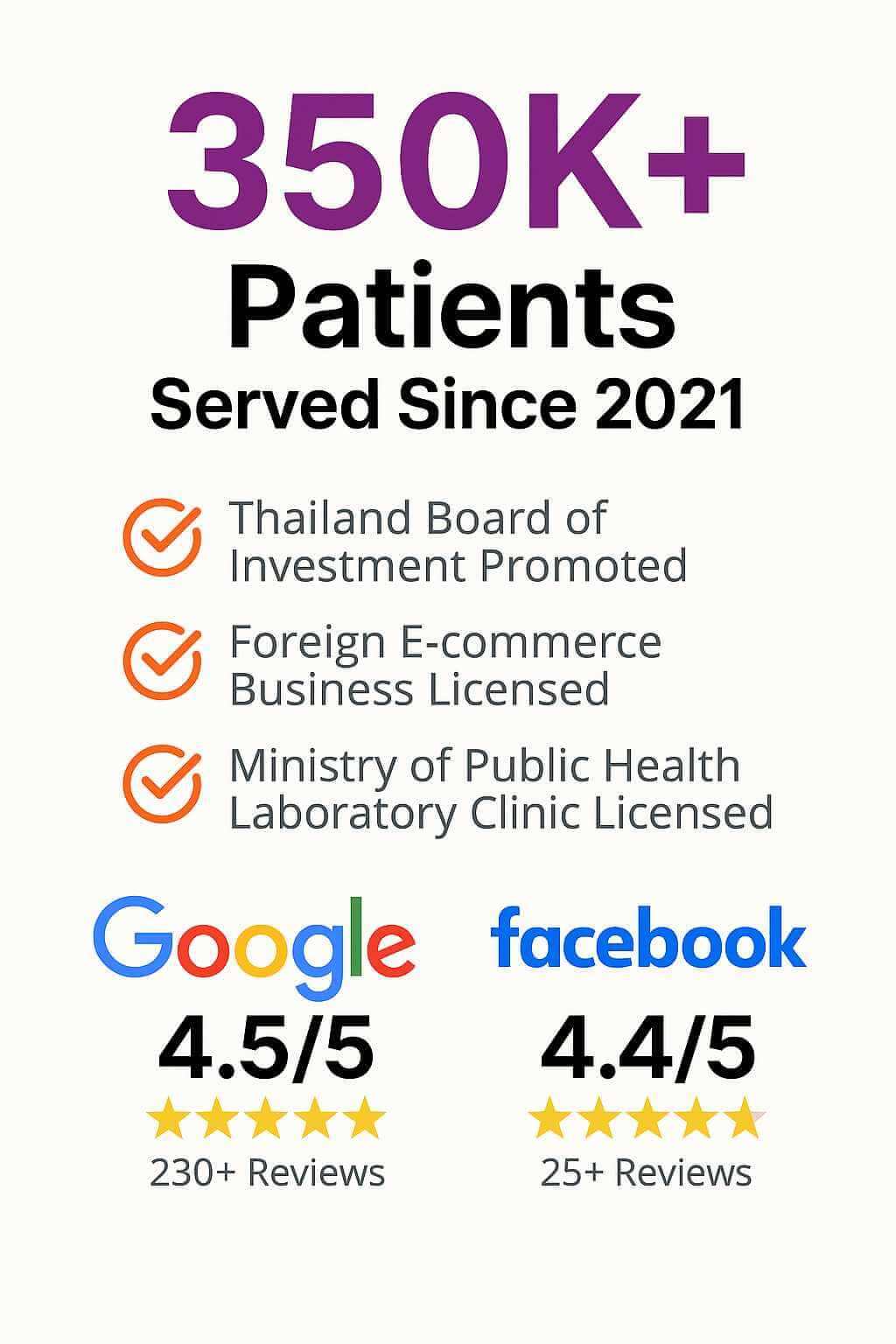
MedEx connects you with world-class health care providers across borders, makes medical travel simple, low-cost and transparent and offers premium primary care.
© 2020-26 MedEx Ventures Co., Ltd.